





What is ceramic stoneware?
If you’re thinking of replacing the floor tiles or wall tiles in your home, stoneware is probably one of the materials you’ve already got in mind. And with good reason: it’s durable, versatile and has a look that suits almost any setting.
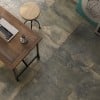
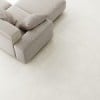
Ceramic stoneware is made from a blend of clays fired at very high temperatures. The result is a dense, highly resistant material with very low water absorption, suitable for both floors and wall coverings, indoors and outdoors.
? Image suggestion: wide shot of a modern kitchen or living room with stoneware flooring.
Types of ceramic tiles by composition
1. Porcelain stoneware
The most resistant type of all. Made from refined raw materials and fired at very high temperatures, its porosity is reduced to a minimum. For high-traffic areas, bathrooms, kitchens, or outdoor spaces, porcelain is almost always the best choice.
- Wear resistance: very high
- Water absorption: minimal (<0.5%)
- Best for: bathrooms, kitchens, terraces, high-traffic areas
2. Glazed stoneware
It has a glazed surface layer that allows for a wide variety of designs, colours, and finishes. Ideal for interiors where aesthetics matter as much as functionality.
- Wide aesthetic variety
- Generally more affordable
- Best for: living rooms, bedrooms, indoor kitchens
3. Rustic stoneware
Its natural finish and irregular texture give it a unique character — perfect for Mediterranean, rural, or traditional-style spaces. It's more porous, so it may need periodic sealing.
- Rich texture and personality
- Requires additional maintenance
- Best for: rural homes, terraces, warm environments
4. Extruded stoneware
Manufactured through extrusion, it offers very high mechanical strength and excellent anti-slip grip. It's the standard choice for outdoor areas, facades, and technical spaces.
- Maximum mechanical resistance
- Excellent anti-slip grip
- Best for: facades, outdoor areas, technical spaces
How to choose the right ceramic tile
Before deciding, ask yourself these four questions:
- Will it be used indoors or outdoors?
- How much foot traffic will the area have?
- Will it be frequently exposed to moisture?
- What decorative style are you going for?
For outdoor or wet areas, porcelain is the safest bet. For interiors where design takes centre stage, glazed stoneware gives you the most freedom. If you want character and don't mind a bit more upkeep, rustic stoneware might be exactly what you're looking for.
Ceramic tile applications at home
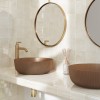
Kitchens, bathrooms, living rooms, terraces — ceramic stoneware adapts to virtually any space. With finishes that mimic wood or natural stone, you can achieve any look you want without compromising on durability.
Related posts
