





Beige has established itself as one of the most popular colours for bathrooms. Warm without being overwhelming and neutral without being boring, it creates a relaxing and timeless atmosphere. Whether you dream of a beige and wood bathroom with natural tones, a minimalist space with black accents, or a small room visually enhanced through light colours, you are in the right place.
In this guide, we explore the best ideas for designing the perfect beige bathroom: choosing shades, colour combinations, tile types, materials, and practical decorating tips. At the end, you’ll find a handy checklist to ensure you don’t forget anything before making a purchase.
Why choose beige for your bathroom?
Beige is not a compromise colour—it is a choice with character. Its subtle warmth contrasts beautifully with clinical white and the coolness of grey, creating a welcoming atmosphere similar to that of a spa.
Natural tones and organic materials dominate current interior design trends, and beige fits perfectly within this style. It evokes sand, linen, travertine, and clay. Furthermore, its neutrality allows it to blend seamlessly into both contemporary interiors and rustic or Mediterranean-inspired spaces.
Among its practical advantages is its ability to reflect light, which is especially valuable in small bathrooms or rooms without windows. In addition, unlike bolder colours, beige never goes out of style, helping to protect your investment in the long term.

Shades of beige: how to choose the right one for your space
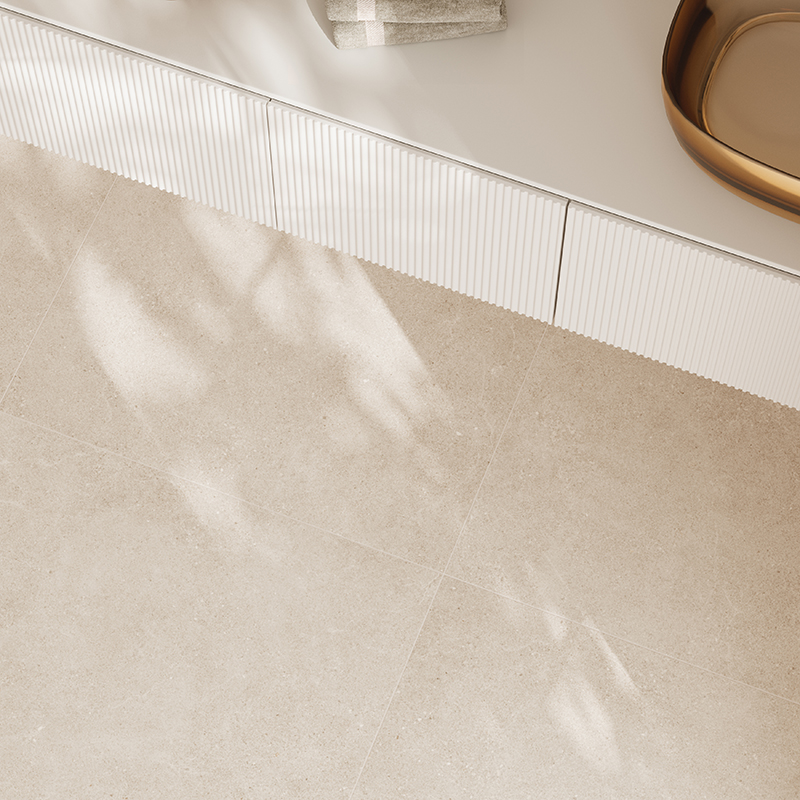
Beige offers a wide range of shades, and each one creates a different feeling:
| Shade | Atmosphere | Ideal for | Recommended combination |
|---|---|---|---|
| Light beige / ivory | Bright, fresh and airy | Small bathrooms or rooms without windows | White, light wood, brass |
| Sand beige | Warm, summery and relaxing | Showers and coastal-style interiors | Blue, linen, rattan |
| Taupe beige | Sophisticated, modern and neutral | Contemporary bathrooms | Matt black, concrete, brushed metal |
| Pink beige | Soft and delicate | Cosy bathrooms | Off-white, copper, marble |
| Terracotta beige | Mediterranean, warm and vibrant | Large, bright bathrooms | Olive green, dark wood, brass |
| Cappuccino beige | Comforting and elegant | Large bathrooms and relaxation areas | Cream, natural stone, bamboo |
Tip: Don’t limit yourself to just one shade. Combining two or three beige tones (for example, light beige on the walls and taupe beige on the floor) adds visual depth without disrupting harmony.
Colour combinations: what colours work well with beige?
The greatest advantage of beige is its versatility. It pairs easily with almost any colour palette.
Beige and wood: natural harmony
This is probably the most popular combination today. Light woods such as oak, ash, or bamboo add authenticity and warmth. A wood-effect porcelain floor or a natural oak bathroom vanity creates a welcoming and elegant atmosphere.
Beige and white: maximum brightness
Ideal for small bathrooms or spaces with limited natural light. The white of sanitary ware contrasts gently with beige while maintaining a feeling of spaciousness and clarity.
Beige and black: contemporary elegance
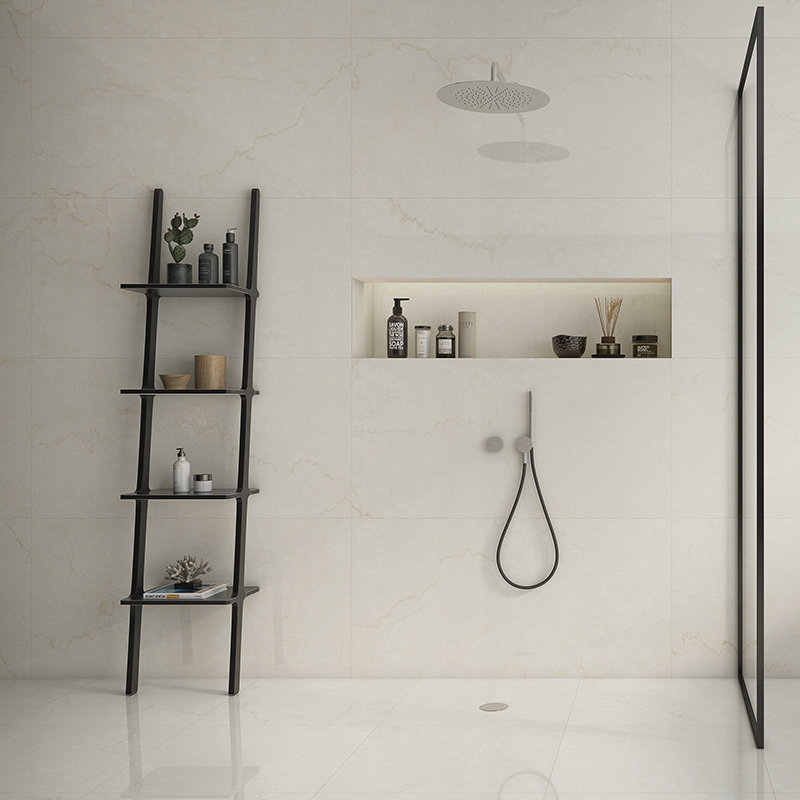
For a modern beige bathroom with personality, incorporate matt black details such as taps, mirror frames, or shower screen profiles. The result is sophisticated and stylish.
Beige and green: nature and wellbeing
Sage, pistachio, or forest green brings freshness and a relaxing atmosphere. Complement the space with natural plants to reinforce the feeling of wellbeing.
Beige and terracotta: Mediterranean charm
A highly popular combination that conveys warmth and authenticity. It works particularly well in spacious bathrooms; in smaller spaces, it is best used through decorative details or an accent wall.
Beige tiles: the best options for your bathroom
Ceramic wall and floor coverings define much of a bathroom’s aesthetic, but they must also meet technical requirements such as moisture resistance, ease of maintenance, and slip resistance.
Large-format beige tiles (60x60 or 80x80 cm)
Large formats reduce the number of grout lines, visually expand the space, and make cleaning easier. When used on both floors and walls, they create a highly elegant sense of continuity.
Stone-effect or travertine-effect beige tiles
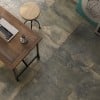
Travertine is one of the most appreciated natural beige stones. Its irregular veining and distinctive texture add sophistication and character. Travertine-effect porcelain tiles offer the same aesthetic with greater durability and easier maintenance.
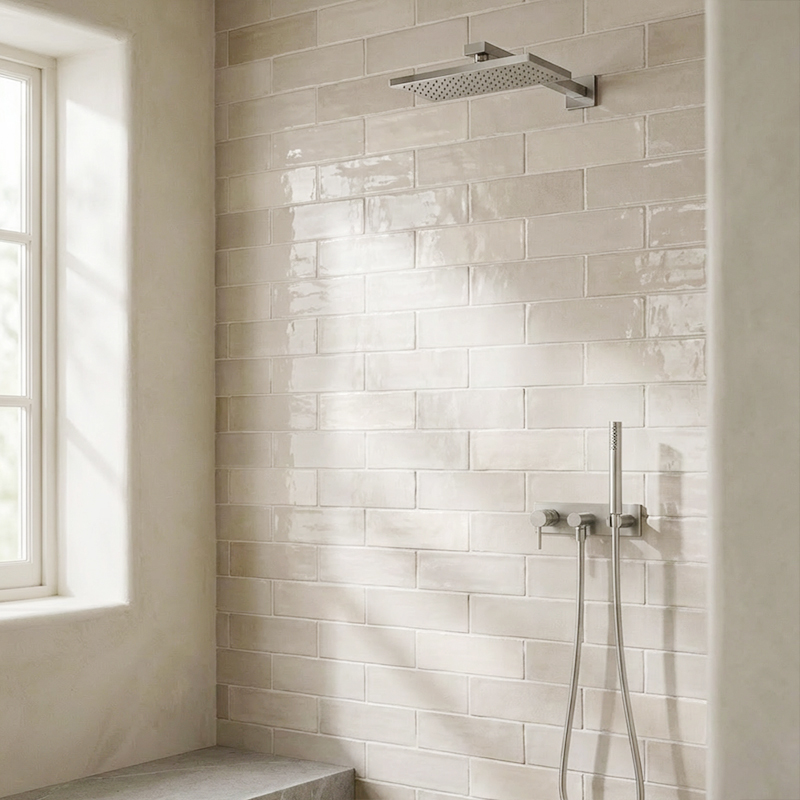
Beige zellige-effect tiles
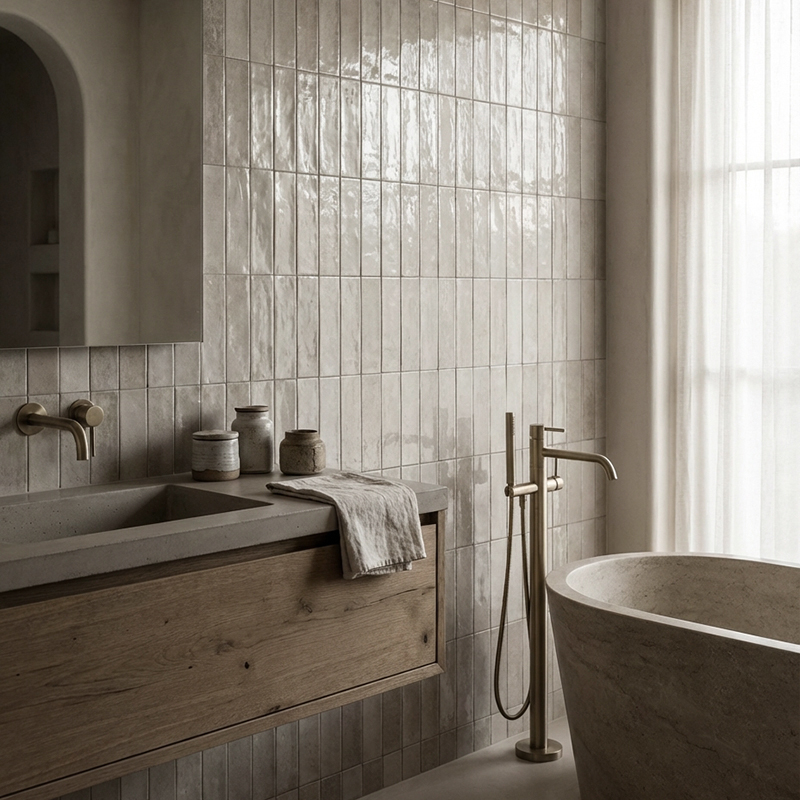
Beige zellige-style tiles stand out thanks to their glossy reflections and tonal variations. They are perfect for highlighting a shower wall or washbasin area while adding light and visual interest.
Beige terrazzo tiles
Terrazzo has made a strong comeback in interior design. Its decorative chips set against a beige background add visual movement without overwhelming the space. In large formats, it delivers a particularly elegant finish.
Rectangular beige wall tiles
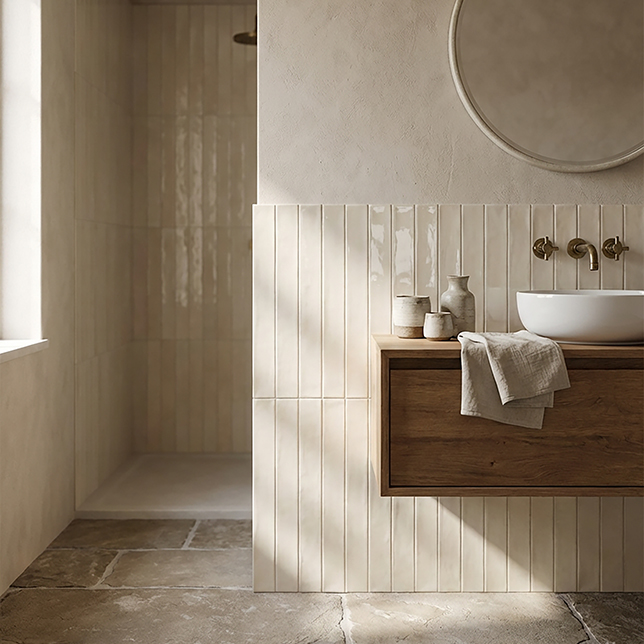
Rectangular formats (25x75 cm or 30x90 cm), when installed vertically, help increase the perceived height of the room while adding a soft and sophisticated texture.
Materials and decorative elements to enhance a beige bathroom
Bathroom furniture: wood or beige lacquered finishes
Furniture in natural oak or lacquered in sandy tones reinforces the overall aesthetic harmony. Matt finishes and doors featuring rattan or natural fibre details are particularly on trend.
Countertop washbasins in ceramic or stone
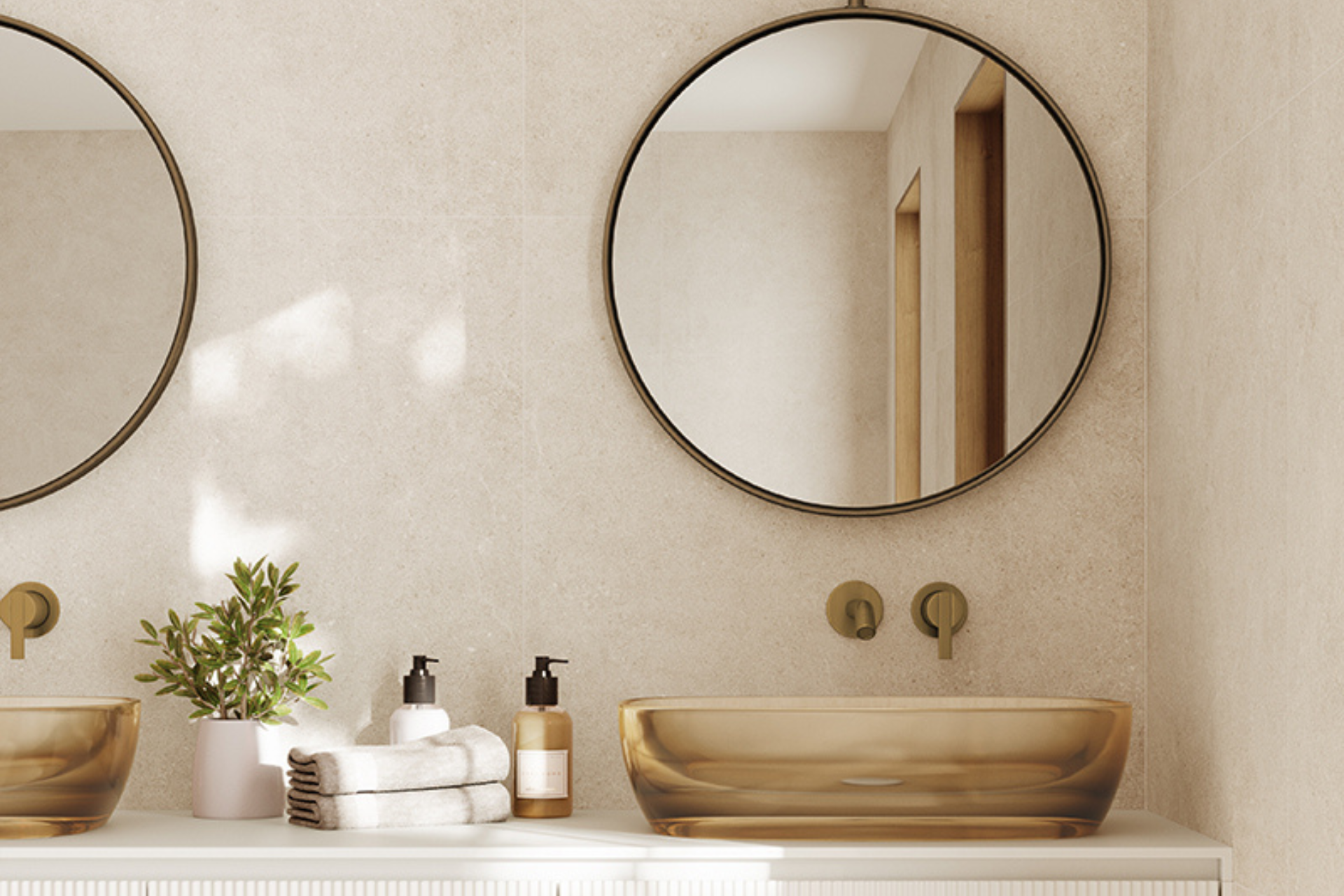
A beige ceramic or travertine washbasin becomes a standout decorative feature, especially when paired with matt black or brushed brass taps.
Beige or sand-coloured shower tray
A shower tray in sandy shades creates visual continuity and enhances the feeling of spaciousness. Mineral resin models also provide a pleasant texture underfoot.
Mirrors and taps: details that make all the difference
Mirrors with wooden or brass frames perfectly complement a beige aesthetic. As for taps, brushed brass adds warmth, while matt black creates an elegant contrast. Traditional chrome tends to feel visually cooler.
Natural textiles and accessories
Linen towels, natural cotton rugs, wicker baskets, and green plants help create a welcoming and balanced atmosphere.
Ideas for a small beige bathroom
Small bathrooms can benefit enormously from beige thanks to its ability to maximise brightness.
- Continuity between floor and walls: using the same beige surface visually enlarges the space.
- Wall-mounted furniture: frees up visible floor space and makes the bathroom feel larger.
- Large mirrors: increase the sense of depth.
- Walk-in showers: promote visual continuity.
- Indirect lighting: avoids harsh shadows and improves spatial perception.
- Light shades: reserve darker beige tones for larger spaces.
Checklist: how to choose the perfect beige tile for your bathroom
- Check moisture resistance (PEI ≥ 3 for floor tiles).
- Verify slip resistance (minimum R9 in wet areas).
- Compare shades under both natural and artificial lighting.
- Request samples before making a major purchase.
- Order approximately 10% extra material for cuts and future replacements.
- Confirm compatibility with underfloor heating if required.
- Choose grout colours carefully (beige or light grey are usually the most practical options).
- Ensure the model will remain available in the future for possible repairs.
- Check delivery times before starting the renovation.
- Request the complete technical data sheet for the product.
Frequently asked questions about beige bathrooms
Which colours work best with beige in a bathroom?
Beige pairs particularly well with white, natural wood, matt black, sage green, and terracotta, depending on the decorative style you want to achieve.
How can you prevent a beige bathroom from looking boring?
The key is to combine different textures and materials: smooth tiles with handcrafted finishes, natural wood furniture, stone, matt surfaces, and glossy elements.
Which beige tile should you choose for a small bathroom?
The best options are light shades such as ivory beige or sand beige, preferably in large formats and with continuity between the floor and walls.
Is a beige bathroom easy to maintain?
Yes. Beige hides limescale and soap marks better than pure white or very dark colours. In addition, low-porosity porcelain tiles make cleaning much easier.
Can you create a beige bathroom without carrying out a complete renovation?
Absolutely. Changing textiles, mirrors, taps, decorative accessories, or adding beige-toned elements can completely transform the appearance of the space.
Is beige suitable for bathrooms without windows?
Yes. Light beige shades reflect artificial light very effectively and help create brighter, more welcoming spaces when natural light is unavailable.
Related posts
