


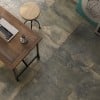


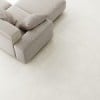


Combining two different interior floors is an increasingly popular solution in renovation and new construction projects. It allows you to zone open spaces, add visual dynamism, and adapt each area to its specific function. However, for the result to be harmonious and durable, both aesthetic and technical criteria must be considered.
If you are thinking of joining two different floors in the same room, this guide will help you make informed decisions and avoid common mistakes.
When it makes sense to combine two different floors
The combination works especially well in open spaces where you want to define zones without using walls.
- Separating the kitchen and living room in the same area.
- Distinguishing the dining area from the relaxation zone.
- Visually marking an entryway within a large room.
- Creating interior-exterior continuity with materials adapted to each use.
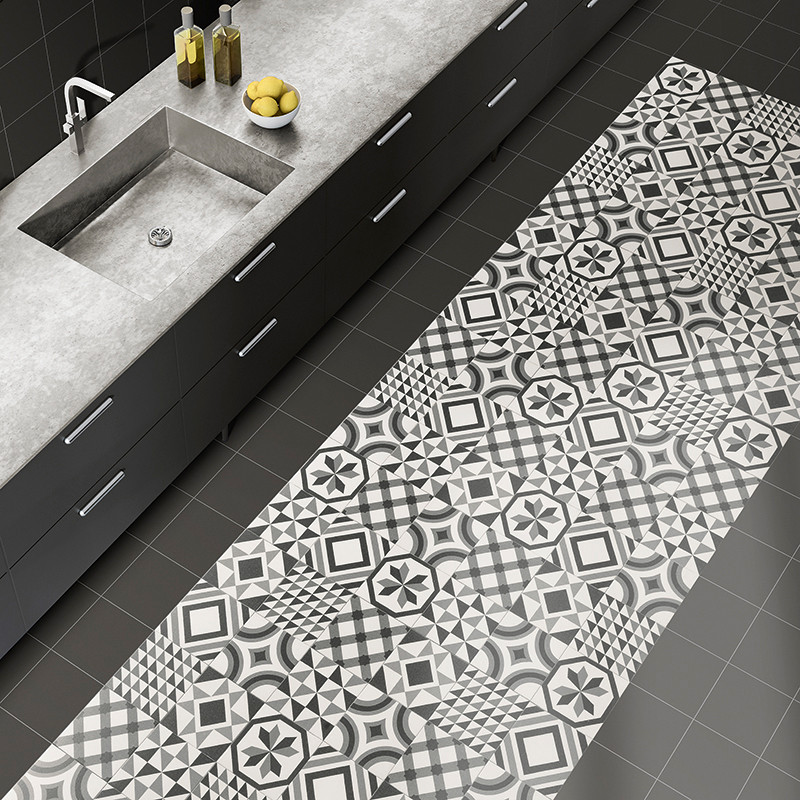
In open kitchens, for example, it is common to combine durable porcelain in the work area with wood-effect flooring in the living area, achieving a balance between functionality and warmth.
How to choose which floor to place in each area
The choice should not be based solely on design. The actual use of the space is decisive.
- Wet areas: porcelain is the safest option due to its low absorption and ease of cleaning.
- High-traffic areas: materials with high wear resistance.
- Relaxation areas: natural wood or wood-effect flooring for visual comfort.
- Homes with pets: it is better to choose scratch-resistant surfaces.
- Areas used with outdoor shoes: ceramic withstands continuous abrasion better.
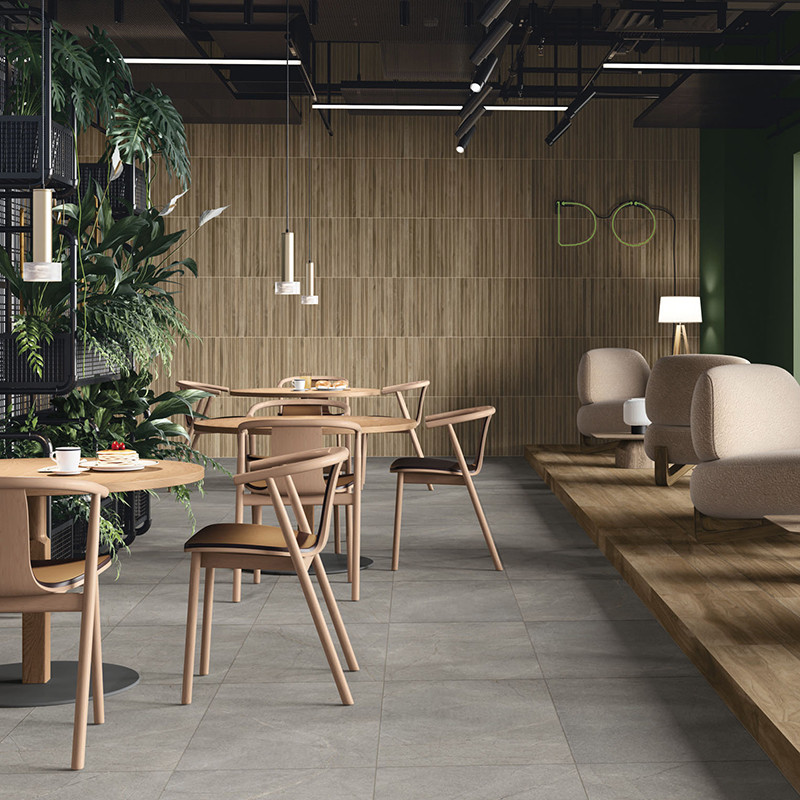
A common combination is wood or wood-effect flooring with neutral porcelain, maintaining color consistency so the transition looks natural.
Key technical aspects before combining two floors
Beyond design, technical feasibility is essential.
Material thickness. The so-called "invisible joint" is only possible when both floors have almost identical thickness. If there is a difference, it will be necessary to raise the base or install transition profiles.
Leveling of the substrate. The base floor must be perfectly level. When combining different materials, self-leveling mortars or adhesive adjustments are used to avoid unevenness.
Expansion. Wood and ceramic react differently to humidity and temperature. Appropriate expansion joints must be planned.
How to join two different floors without mistakes
- Metal or technical profile: recommended when there is a small height difference.
- Transition aligned with architectural elements: doors, islands, or structural changes.
- Pattern change: changing the direction of the flooring can mark the separation without adding profiles.
- Same tone, different texture: provides contrast without breaking harmony.
Common mistakes when joining two different floors
1. Excessive contrasts without coherence.
A sudden change in color or style can create a sense of improvisation. It is recommended that both materials share a common element: tone, texture, or decorative style.
2. Poorly planned meeting point.
The transition should coincide with a logical boundary of the space. If placed in the middle of a walkway without reason, the result loses visual quality.
3. Not anticipating unevenness.
Small height differences can cause tripping hazards and give the impression of poor execution.
4. Introducing more than two materials.
Combining two floors can work very well; adding a third usually overloads the space and increases unnecessary cost.
5. Not considering maintenance.
Each material has different requirements. Mixing them without considering this can complicate daily cleaning.
Is it more expensive to combine two different floors?
In general, it does involve a slightly higher cost compared to installing a single material.
- More planning and layout work.
- Longer installation time.
- Possible use of profiles or base adjustments.
The most economical combinations usually occur when the thicknesses are similar and no additional leveling is needed. Joining natural wood with porcelain may require more specialized labor.
However, when executed correctly, the aesthetic and functional value it provides usually compensates for the initial investment.
And outdoors?
It is also possible to combine two different outdoor floors to achieve continuity between interior and terrace.
- Extend an indoor porcelain floor to the exterior in a non-slip version.
- Define relaxation zones with different materials.
- Use different formats while maintaining the same tone.
Conclusion
Combining two different floor tiles is not just a decorative matter. It requires technical planning, aesthetic coherence, and functional analysis. When these three factors align, the result can completely transform a space, adding dynamism and character without losing balance.
Exploring different ceramic collections, finishes, and formats allows you to find combinations that meet both technical needs and the personal style of each project.
Related posts
