








Are you planning to renovate your home and don’t know which tile or slab sizes to choose? Selecting the right size is not just a matter of aesthetics; it also affects the perception of space, durability, and installation costs. In this article, we explain the most common tile sizes, which formats work best for each area of your home, and how to make the best decision for your project.
Choosing the right tile size can completely transform a space: it can make a small room feel larger, make maintenance easier, or reduce installation time. Here you’ll find everything you need to know.
What are the most common tile sizes?
Tile sizes have evolved over time, and today there are many options available on the market. The most commonly used standard sizes are:
|
Format |
Sizes (cm) |
Recommended use |
|
Small |
10×10, 15×15, 20×20 |
Small bathrooms, kitchens |
|
Medium |
30×30, 30×60, 45×45 |
Living rooms, bathrooms, kitchens |
|
Large |
60×60, 60×120, 75×75 |
Large spaces, living rooms |
|
Extra large |
90×90, 100×100, 120×120 |
Large surfaces, outdoor areas |
In addition to these square formats, there are also very popular rectangular tile sizes such as 20×40 cm, 25×50 cm, 30×60 cm or 30×90 cm, ideal for creating dynamic and modern visual effects.
Bathroom tile sizes: what is the best option?
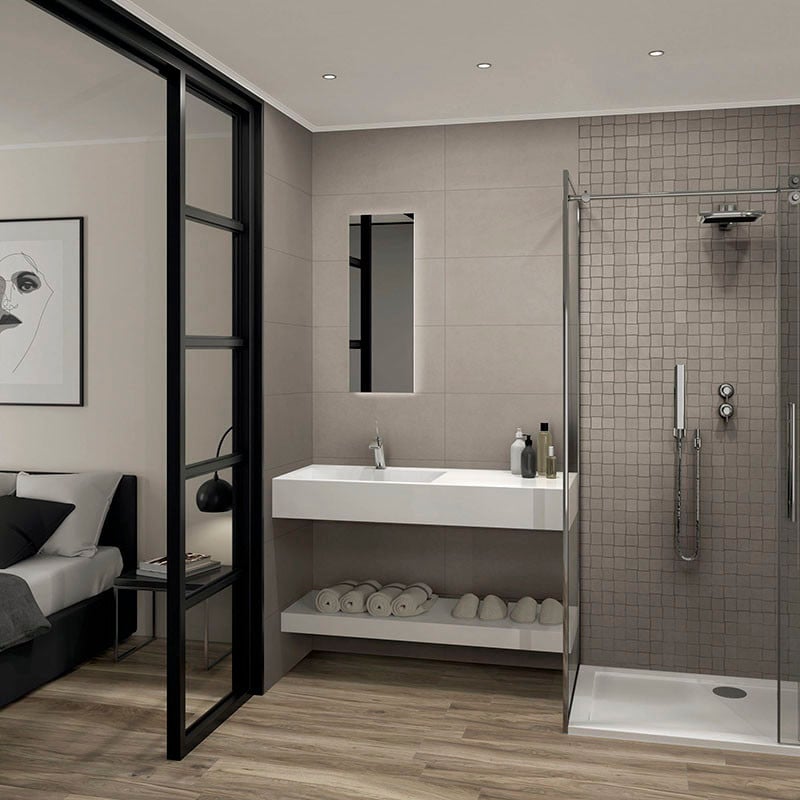
The bathroom is one of the areas where tiles are most commonly used due to their resistance to moisture. The choice of size will depend on the available space and the effect you want to achieve.
Small bathrooms
For small bathrooms, the following are recommended:
-
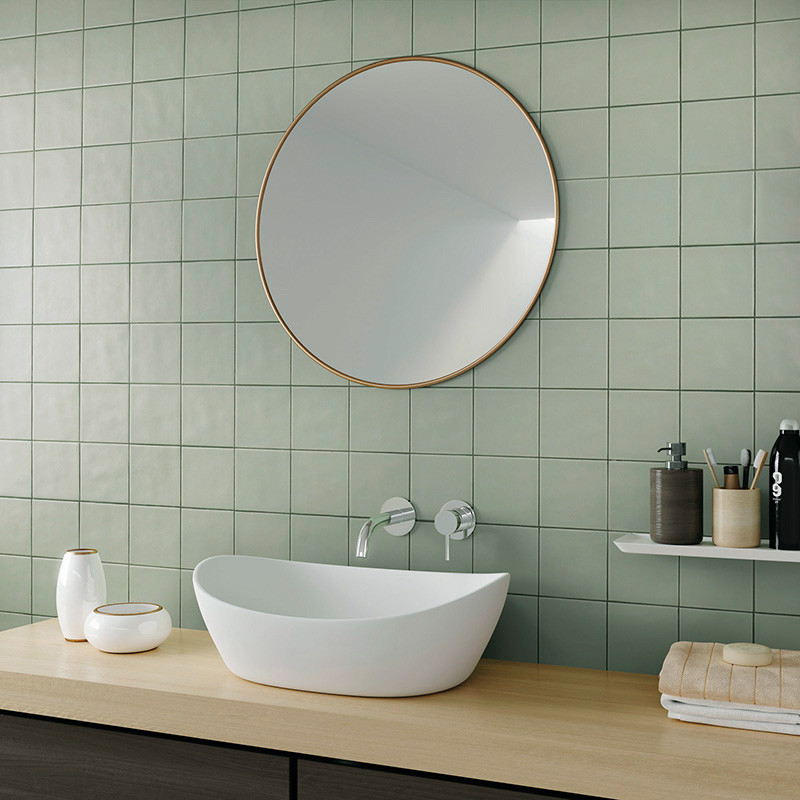
20×20 cm or 30×30 cm tiles: They are the most versatile and help avoid visually overwhelming the space.
-
Vertical rectangular formats (20×60 cm or 30×90 cm): Installed vertically, these tiles create the illusion of higher ceilings.
-
Avoid very large formats: Tiles of 60×60 cm or larger can make a small bathroom feel even smaller due to the required cuts.

Large bathrooms
In larger bathrooms, you can opt for bigger tiles:
-
60×60 cm or 60×120 cm: They provide visual continuity and require fewer grout lines, making cleaning easier.
-
Large rectangular formats (30×90 cm): Perfect for creating modern and elegant wall designs.

Kitchen tile sizes
The kitchen is another area where tiles play a key role, especially in the backsplash area (between the countertop and upper cabinets). The most recommended sizes are:
-
10×20 cm subway tiles: A timeless classic that adds a retro and functional touch. Ideal for backsplashes. The picket format is perfect for this style.
-
20×20 cm or 30×30 cm: Perfect for traditional or rustic kitchens. Square tiles are a safe choice.
-
30×60 cm: A modern option that reduces the number of grout lines and makes cleaning grease and splashes easier.
-
Ceramic mosaics: Small tiles that can be square, hexagonal, or other geometric shapes. Ideal for adding a unique decorative touch. Discover our selection of ceramic mosaics and hexagonal tiles.
Tip: For kitchen floors, larger formats (45×45 cm or 60×60 cm) with anti-slip properties are recommended for greater safety.
Floor tile sizes: which one should you choose?
The floor is the surface that experiences the most wear in any home, so choosing the right tile size should consider both aesthetics and functionality.
Living rooms and high-traffic areas
-
60×60 cm or 100×100 cm: These are the most popular sizes for living rooms and hallways. They create a sense of spaciousness and reduce the number of grout lines. Large square tiles are ideal for these areas.
-
120×120 cm: Perfect for modern and minimalist spaces. They provide continuity and make the space feel larger.

Factors to consider when choosing tile size
Beyond aesthetics, there are several technical and practical aspects to keep in mind:
1. Size of the space
-
Small spaces: Medium-sized tiles (30×30 cm or 30×60 cm) prevent the space from looking overloaded.
-
Large spaces: Large formats (60×60 cm or larger) minimize grout lines and create a sense of continuity.
2. Ease of cleaning and maintenance
Large tiles have fewer grout lines, making cleaning easier. Grout lines tend to accumulate dirt and moisture, so fewer joints mean less maintenance work.
3. Installation cost
-
Small tiles: Require more installation time and more adhesive and grout material.
-
Large tiles: Faster to install, but they require a perfectly level surface and may need special equipment for handling.
4. Material waste
In irregular spaces or areas with many cuts (around pipes, corners, etc.), small tiles generate less waste. Large formats may require purchasing more extra pieces due to necessary cuts.
Current trends in tile sizes
Interior design is constantly evolving, and tile sizes are no exception. Some of the most popular trends include:
-
XXL formats (120×120 cm or larger): Increasingly in demand for their minimalist and contemporary look.
-
Plank-style rectangular tiles (20×120 cm or 30×120 cm): They mimic wood and are perfect for those seeking the warmth of wood with the durability of ceramic. Explore our rectangular tiles.
-
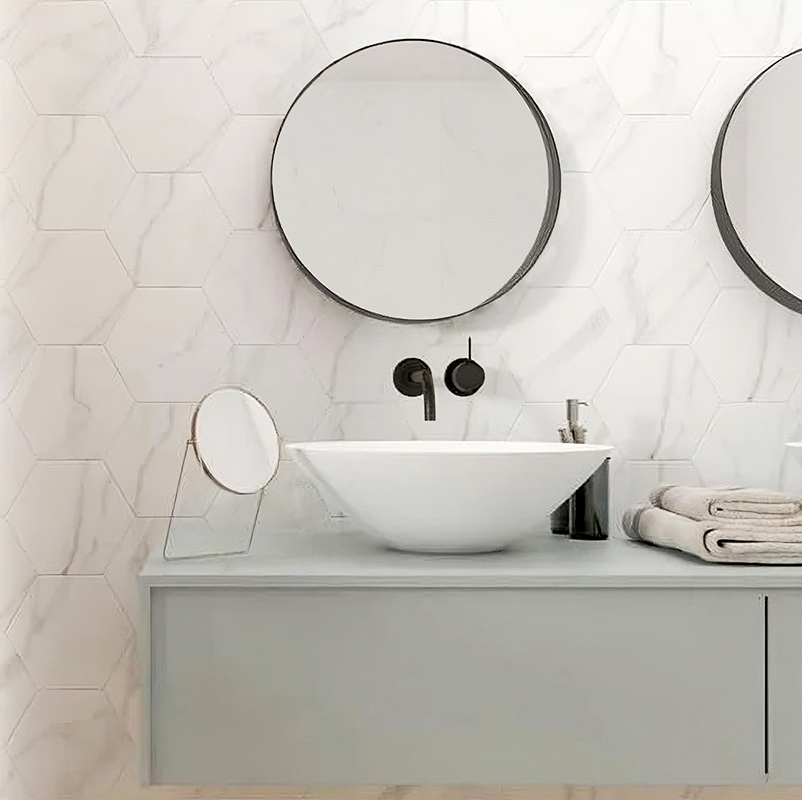
Hexagonal and geometric formats: Add originality and personality to bathrooms and kitchens. Hexagonal tiles are booming.
-
Subway tiles: Although a classic, they remain on trend thanks to their versatility and timeless style. The picket format never goes out of style.
Final tips for choosing the right tile sizes
-
Measure your space carefully: Before buying, calculate the exact area and add an extra 10–15% for cuts and breakages.
-
Think long-term: Choose high-quality tiles and timeless designs if you don’t plan to renovate again for several years.
-
Request samples: Many suppliers offer free samples so you can see how they look in your space with real lighting.
-
Consult a professional: An experienced installer can advise you on which sizes are best suited to your home’s characteristics.
-
Don’t rely on aesthetics alone: Consider functionality, maintenance, and durability.
Conclusion
Choosing the right tile sizes is a decision that affects both the aesthetics and functionality of your home. From small bathrooms to large living rooms, each space has its own needs. Small formats add detail and versatility, while large ones create a sense of spaciousness and make maintenance easier.
Remember to consider the size of the space, the style you’re looking for, your available budget, and the ease of installation and cleaning. With the information in this guide, you’re ready to make an informed decision that will transform your home.
Ready to start your project? Explore our wide collection of tiles in different formats and find the perfect sizes for your space.
Related posts
